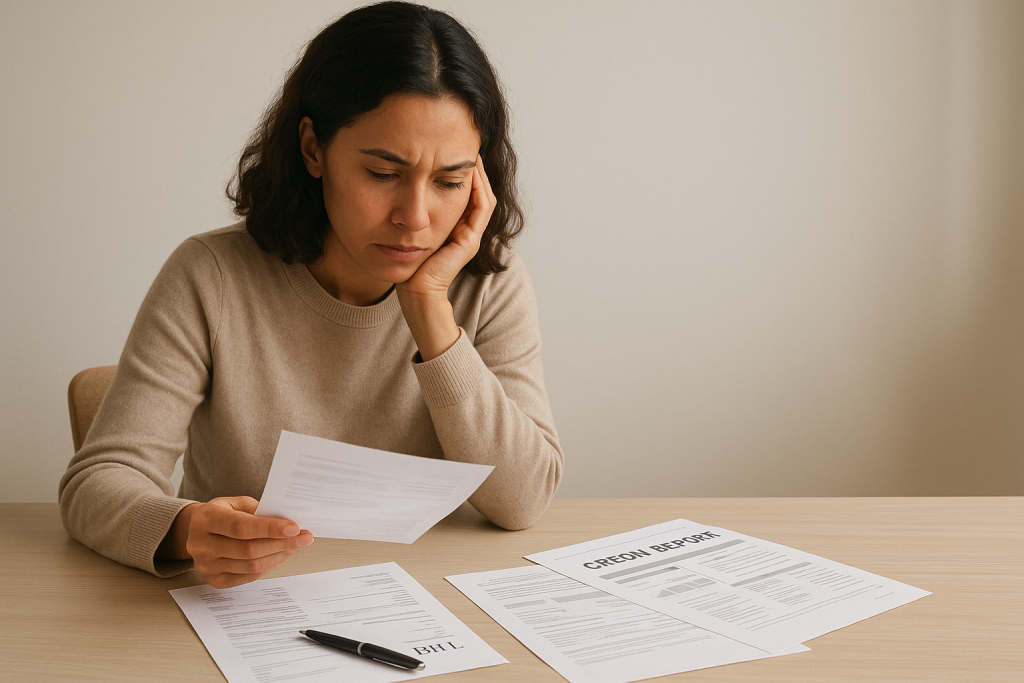
Introduction to Bad Credit and Collections
Bad credit impacts many individuals and can affect numerous aspects of their financial lives. Understanding what bad credit means and how debt collections work is essential for anyone looking to manage or improve their credit health. This guide covers the fundamentals, providing clear information about bad credit, collections, and strategies for dealing with them.
What Is Bad Credit?
Bad credit refers to a low credit score, which represents a history of missed payments, high debt levels, or other negative financial behaviors. Credit scores are numerical summaries of an individual’s creditworthiness, typically ranging from 300 to 850. A lower score indicates higher risk to lenders.
Common causes of bad credit include late payments, defaults, bankruptcies, and debts sent to collection agencies. Having bad credit can result in higher interest rates, difficulty obtaining loans, or even denial of credit applications.
How Debt Collections Work
When a borrower fails to pay a debt, the creditor may hand over the account to a collections agency. These agencies specialize in recovering owed money but often use aggressive tactics that can further damage credit ratings.
Debt collection typically begins after a certain period of non-payment, often 90 to 180 days. The collection agency will contact the debtor by phone, mail, or other means to request payment. If unpaid, the debt may be sold to another collector, increasing the difficulty of resolution.
Effects of Collections on Credit Reports
Collections appear on credit reports and remain for up to seven years, regardless of whether the debt is paid off. This notation negatively impacts credit scores and may limit financial opportunities.
It is important to verify collection accounts to ensure they are accurate and truly belong to you. Incorrect or fraudulent entries can be disputed and removed under credit reporting laws.
Dealing With Debt Collections
There are several options for managing collections. Negotiating with collectors to settle debts for less than the original amount can be effective. Payment plans may also be arranged to make repayment more manageable.
It is advisable to get all agreements in writing and understand any potential impacts on credit reports before committing to payment. Consulting a financial advisor or credit counselor might provide additional support.
Improving Bad Credit
Improving a poor credit score takes time and consistent effort. Key steps include making timely payments, reducing outstanding debt, and regularly monitoring credit reports for errors.
Building positive credit history, such as using secured credit cards or becoming an authorized user on another’s account, can also help rebuild creditworthiness.
Conclusion
Bad credit and collections are serious financial challenges, but understanding their mechanics and proactive management can lead to improved credit health. By educating oneself about credit scores, collections processes, and strategies to recover, individuals can take control of their financial futures.